
Reggio-Inspired Learning at Home in Portland, OR
Quick Answer
Supporting Reggio-inspired learning at home starts with something every parent already has: a child who is curious about the world. When you follow their questions, offer simple open-ended materials, and celebrate their ideas, you are creating the same kind of rich, meaningful learning that happens in a Reggio-inspired classroom. Here are some simple ways to bring that into your everyday life at home.
Reggio-inspired learning is built on a simple, powerful idea: children are naturally curious, capable, and full of their own brilliant questions about the world. When we follow their lead, create space for exploration, and value their ideas, incredible learning happens. Here are some simple ways to bring that same spirit of curiosity and discovery into your everyday moments at home.
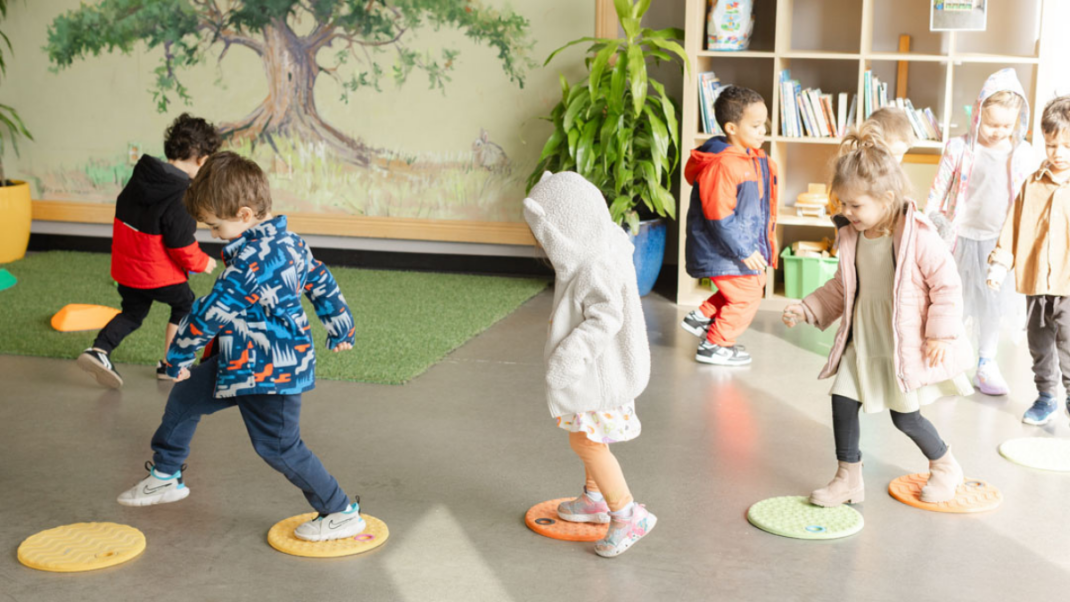
At Kozy Kids in Portland, OR, our classrooms are designed to spark wonder and invite children to explore at their own pace. The same kind of learning can happen at home, too, and it is easier than you might think.
What Is Reggio-Inspired Learning (And Why Does It Matter at Home)?
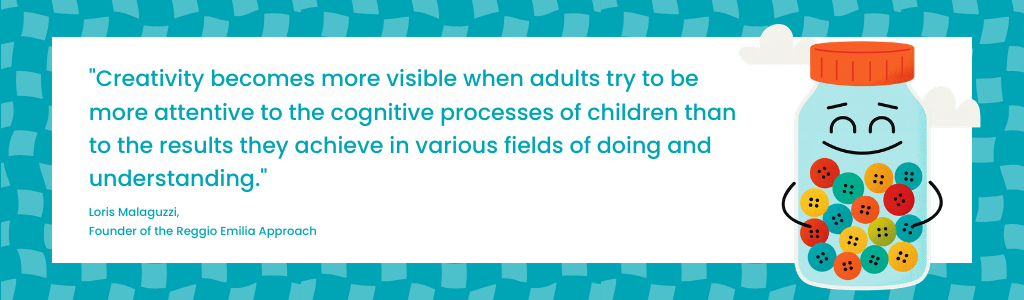
The Reggio Emilia approach started in a small city in Italy after World War II, and its central belief is beautiful in its simplicity: children are strong, capable learners who deserve to be listened to. In a Reggio-inspired classroom, teachers do not just deliver lessons. They observe, listen, and follow the child’s interests to build rich, meaningful learning experiences.
As NAEYC describes, emergent curriculum is based on the interests of the children, and when learning is the product of the child’s guided construction rather than simply the teacher’s transmission, it becomes truly individualized. That same idea works beautifully at home. When you pay attention to what your child is fascinated by and build on those moments, you are already thinking like a Reggio-inspired educator.
Simple Ways to Bring Reggio-Inspired Learning Home
1. Follow Your Child’s Curiosity
If your child is fascinated by bugs, lean into it. Look at insects together in the backyard, check out books about them from the library, draw them, talk about what they eat and where they live. In Reggio-inspired learning, the child’s interest is the starting point for everything. You are not creating a lesson plan. You are simply paying attention to what lights them up and exploring it together.
2. Create an Inviting Space for Exploration
Reggio-inspired environments are intentional and beautiful, but that does not mean your home needs to look like a museum. It can be as simple as setting up a small table with art supplies, keeping nature items like pinecones and shells in a basket, or arranging books where your child can reach them. The idea is to create a space that says, “Come explore. Come create. This is yours.”
3. Offer Open Ended Materials
Instead of toys that do one thing, look for materials that can become anything. Blocks, clay, fabric scraps, buttons, paint, water, sand, cardboard, and recycled materials all give children the freedom to create, experiment, and imagine without limits. These are the kinds of materials Reggio-inspired classrooms are built around, and they work just as beautifully on your kitchen table.
4. Ask Questions Instead of Giving Answers
One of the most powerful things you can do as a parent is to wonder alongside your child. Instead of explaining how something works, try asking, “What do you think is happening?” or “Why do you think it does that?” These kinds of open-ended questions encourage children to think deeply, form their own ideas, and build confidence in their ability to figure things out.
5. Value the Process Over the Product
In a Reggio-inspired approach, the journey matters just as much as the destination. When your child paints a picture, resist the urge to ask, “What is it?” Instead, try, “Tell me about what you made” or “I love the colors you chose.” This teaches children that their ideas, effort, and creativity are valued, not just the finished result.
6. Document Their Discoveries
Reggio-inspired educators are known for documenting children’s learning through photos, notes, and displays of their work. You can do this at home, too. Take photos of their building projects, write down the funny and insightful things they say, or create a small gallery wall of their artwork. When children see their work displayed and celebrated, it tells them, “Your ideas matter. Your thinking is important.”
7. Spend Time in Nature Together
Nature is one of the most important “teachers” in the Reggio approach. Take walks, visit parks, splash in puddles, dig in the dirt, and collect treasures. Let your child lead the way and decide what to explore. Nature offers endless opportunities for observation, wonder, and hands-on learning, and it is always right outside your door.
8. Let Conversations Go Deeper
Children have incredible ideas when we give them the space to share them. If your child makes an observation or asks a question, stay in that moment a little longer. Ask follow up questions. Wonder out loud together. “That is such an interesting thought. Why do you think the moon changes shape?” These conversations show children that their thinking is valued and that curiosity is something to be celebrated.
Frequently Asked Questions
What exactly is Reggio-inspired learning?
Reggio-inspired learning is an approach to early education that views children as capable, curious learners. It emphasizes following the child’s interests, using open ended materials, encouraging self expression, and building strong relationships between children, teachers, and families. It started in Reggio Emilia, Italy, and has influenced early childhood programs around the world.
Is Reggio-inspired learning the same as unstructured play?
Not quite. While child led exploration is a big part of it, Reggio-inspired learning is very intentional. Teachers (and parents at home) observe carefully, ask thoughtful questions, and create environments that encourage deeper thinking. It is guided by the child’s curiosity, but there is always purpose and care behind the experience.
Do I need special materials to do this at home?
Open ended materials are the heart of Reggio-inspired learning, and most of them are things you already have. Think art supplies, building blocks, natural items like leaves and rocks, fabric, cardboard, and recycled containers. The simpler and more open ended the material, the more room there is for your child’s imagination.
Come See Curiosity in Action
At Kozy Kids, we create thoughtful, beautiful learning environments where children’s questions and ideas are at the center of everything we do. We would love for you to come see it for yourself.
Schedule a tour at Kozy Kids in Portland, OR and discover how your child can thrive in a place built around wonder, creativity, and connection.
Related Posts
All Posts
The Reggio Emilia Approach in Portland, OR: How to Choose a Reggio-Inspired Preschool at Kozy Kids
The Reggio Emilia Approach in Portland, OR: What Makes Child-Led Learning Unique at Kozy Kids Enrichment Center
