
What Early Childhood Educators Notice in a Reggio-Inspired Classroom
QUICK ANSWER
Early childhood educators do more than keep a day moving. They observe, listen, prepare meaningful experiences, help children navigate social moments, and share useful details with families. In a Reggio-inspired classroom, that attention helps adults understand a child’s ideas and decide how to support the next step in learning.
Observation Helps Adults Understand a Child
Observation is a way of paying attention before rushing to solve a problem. An educator may notice that a child returns to the same material, watches other children before joining, uses a new phrase with a friend, or becomes frustrated when a structure falls down.
Those details help an adult respond with the right amount of support — sometimes that means offering words, sometimes another material, and sometimes a little time for the child to keep working through an idea.
Listening Makes Room for Children’s Ideas
Young children share their thinking in many ways. They may talk, draw, build, move, point, repeat a question, or tell a story while they work. When an adult listens closely, a child’s interest can become the beginning of a longer investigation.
Kozy Kids describes its curriculum as Reggio-inspired, with child-led exploration, open-ended materials, and collaborative projects. Educators observe and listen to children’s ideas, then offer thoughtful guidance that can deepen curiosity and support individual growth.
The Environment Gives Teachers Information, Too
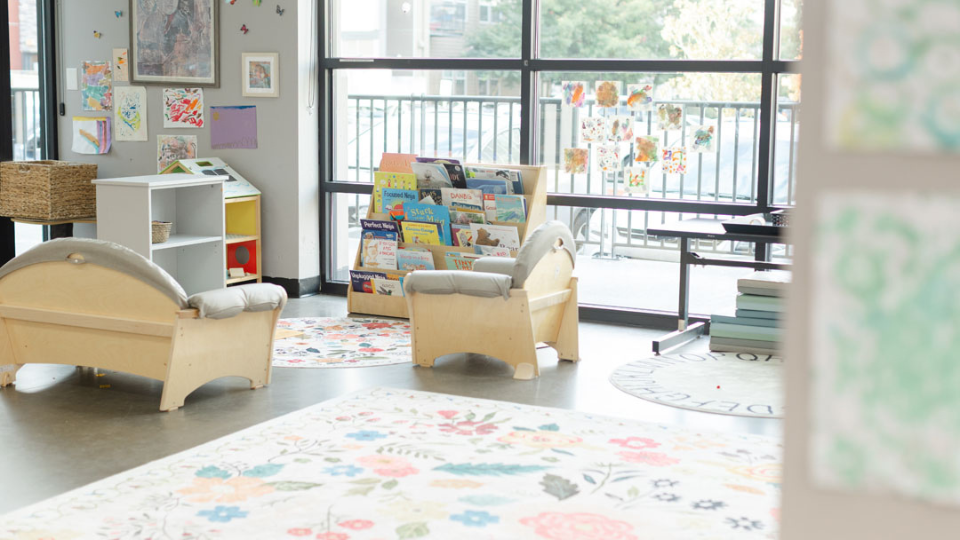
Materials and spaces shape what children can try. Open-ended materials can invite a child to test an idea in more than one way, while a familiar area can give another child a comfortable place to return to. Educators watch how children use the environment and make adjustments that support exploration, creativity, and connection.
For families visiting a classroom, it can be helpful to notice whether children can reach materials, return to an idea, and share space with one another. These ordinary details tell you a great deal about how the environment supports young learners.
Supporting Social and Emotional Moments With Calm Clarity
Early childhood includes plenty of hard moments: a toy is wanted by two children, a goodbye feels difficult, a plan changes, or a child cannot yet find the words they need. Educators help by staying nearby, naming what they see, and guiding children toward a next step.
A child may need help waiting, using words, taking a breath, or trying a new role in a group. These moments are part of learning. With patient support, children can build confidence in how they communicate, solve problems, and reconnect after frustration.
Communication Helps Families See the Fuller Picture
A child’s day can be hard to summarize in one question at pickup. Kozy Kids shares daily touchpoints with families through conversations, photos, daily reports, and updates. Those details can help a parent continue a conversation at home or understand a new interest that is growing over time.
When families and educators share what they are noticing, children benefit from more continuity between home and school. A favorite topic, a new friendship, or a comfort strategy can become useful information for the people who know the child best.
Three Useful Questions for a Classroom Visit
- What have you been noticing about the children’s interests lately?
- How do you decide which materials or experiences to offer next?
- How do you share meaningful updates with families?
These questions invite a real conversation about the classroom without turning a visit into a checklist. Listen for examples that help you picture how adults respond to children during an ordinary day.
Frequently Asked Questions
What do early childhood educators observe?
Educators may observe a child’s interests, communication, relationships, use of materials, comfort during routines, and ways of approaching a challenge. These details help adults plan support that fits the child.
Does observation mean children are left to figure everything out alone?
No. Observation helps an educator decide when to step in, what support to offer, and when a child may benefit from time to explore independently.
Do Reggio-inspired classrooms have routines?
Yes. Predictable routines help children feel secure. Within that rhythm, Reggio-inspired learning makes room for children’s questions, ideas, materials, and collaborative work.
How will I learn about what my child is doing during the day?
Kozy Kids shares photos, daily reports, updates, and conversations at drop-off and pickup. Ask during a visit how those touchpoints work for your child’s classroom.
A warm early childhood classroom is built through many small interactions. If you are considering Kozy Kids in Bethany, schedule a tour to see the environment, observe adult-child interactions, and talk through how your family will stay connected.
Related Posts
All Posts
How STEAM and Reggio-Inspired Learning Come Together at Kozy Kids
A Toddler Day at Kozy Kids in Bethany: Routines, Sensory Exploration, and Organic Snacks
